
The community-led research to map local health assets across the Carrus neighborhood starts its most participative part
The CAIR Project has reached a pivotal milestone. We are thrilled to announce the official launch of our co-creation phase, an ambitious collaborative journey spanning from 2026 to 2029. This phase represents the beating heart of our project, where scientific research meets the lived experience of local communities.
Participative workshop: a day of learning and action
The journey began on the 23rd of April with a transformative training event focused on participatory methods for community asset mapping. More than 40 dedicated participants (comprising local health professionals, community organisations, and residents) participated in order to set the grounds for the co-creation activities with the rest of the community.
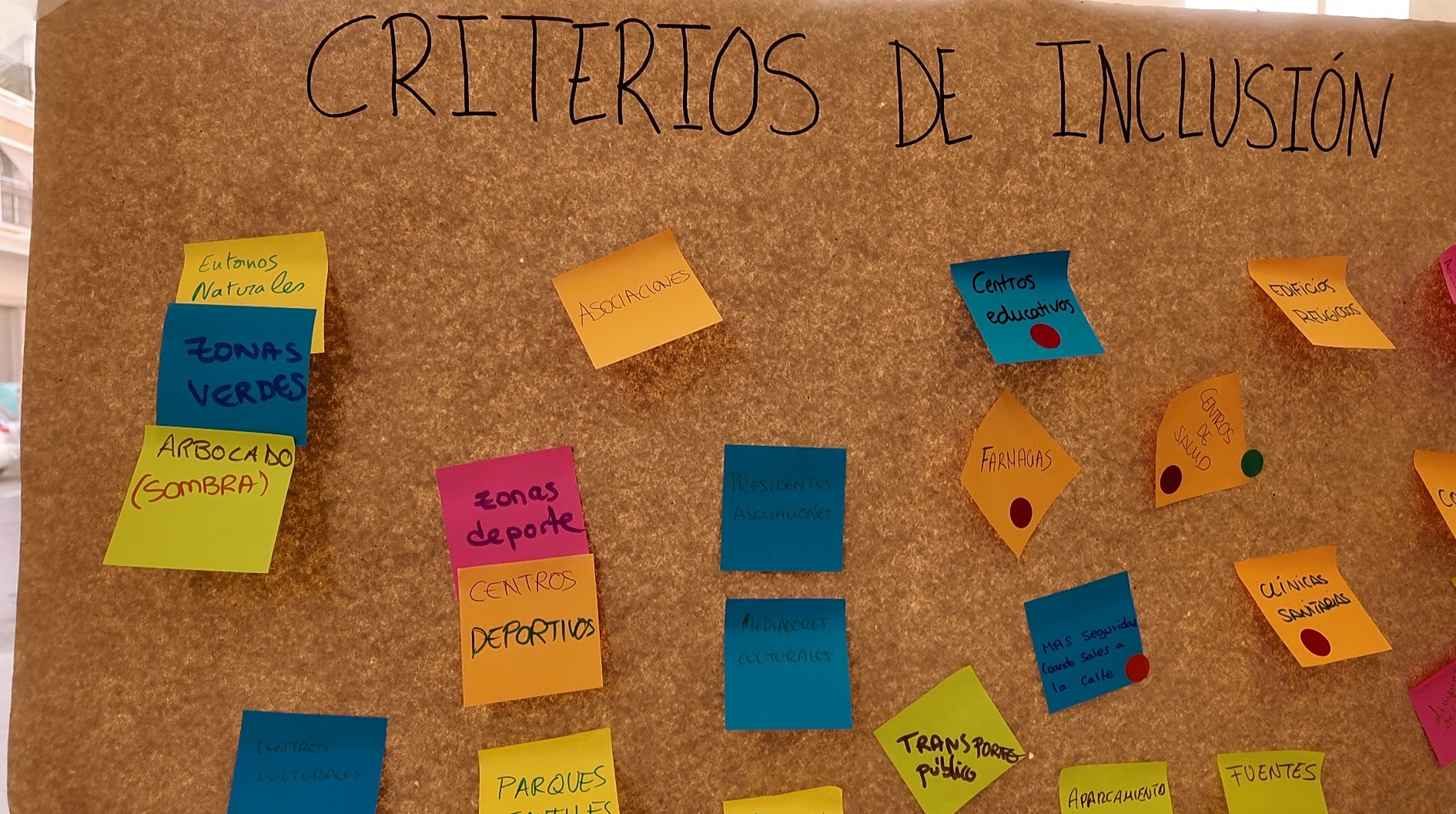
During a four-hour intensive workshop, they were trained to use participatory methods that could potentially be used in the community. Furthermore, the group was responsible for choosing their preferred mapping technique, the main areas of mapping, and the population groups to focus on. As a next step, we will identify local assets, spaces, and initiatives within the neighbourhood that foster well-being.
The goal: To move beyond “fixing problems” and instead focus on “valuing strengths”. By identifying what already works in a community, we can build a more sustainable and inclusive future for health and social care.
How we will work together to map the neighbourhood
The mapping process is designed as part of the participative community research project. We won’t just be looking at maps on a screen; we’ll be walking the streets. The initial training workshop introduced participants to innovative research tools such as:
- Community transects: Guided walks to observe the territory through a “health lens.”
- Photovoice: Using photography as a voice to capture and reflect on community strengths and challenges.
- Collective mapping: Creating visual narratives of the neighbourhood’s social and emotional geography.
Co-defining the next steps
During the workshop, the group used participatory techniques to identify and agree on key directions for the upcoming activities. In terms of methods, they selected a combination of approaches to engage the community, including guided walks to identify local assets and map them using photographs.
The main areas of focus will be leisure and culture; urban planning (including accessibility, mobility, and transport); and green spaces, particularly in relation to nature and opportunities for social interaction.
A collaborative model
At CAIR, we believe that technical expertise and local knowledge are two sides of the same coin. This process is not simply outsourced to external consultants; it is a shared effort. Our team works hand-in-hand with PREPARACCIÓN, a group of co-creation specialists focused on community-led initiatives, who provides the methodological design and specialised technical support, ensuring that every step is ethically sound and scientifically robust.
What happens next?
The next phase of the project kicks-off the 5th of may with a community walk to start discussing and photographing assets, that sets the scene for the cocreation activities, that will frame what needs to be done in the community to improve health and wellbeing.
Over the coming years (2026-2029), this fieldwork will produce a rich map of collective knowledge. These findings won’t just sit in a report. They will directly inform future planning and community initiatives; hence, by involving the community in the analysis of their own environment, we are not just collecting data, we are co-building a foundation for long-term health, well-being, and social connection.