
When we think about staying healthy, our minds usually go straight to medical solutions: scheduling a medical appointment, getting a prescription, or checking our blood pressure. While these actions are incredibly important, we often overlook one of the most powerful health tools available to us: the people around us.
In the world of public health, this invisible safety net is called social capital. But what exactly is it, and why is it a cornerstone of the CAIR Project’s mission to transform healthcare?
What is social capital?
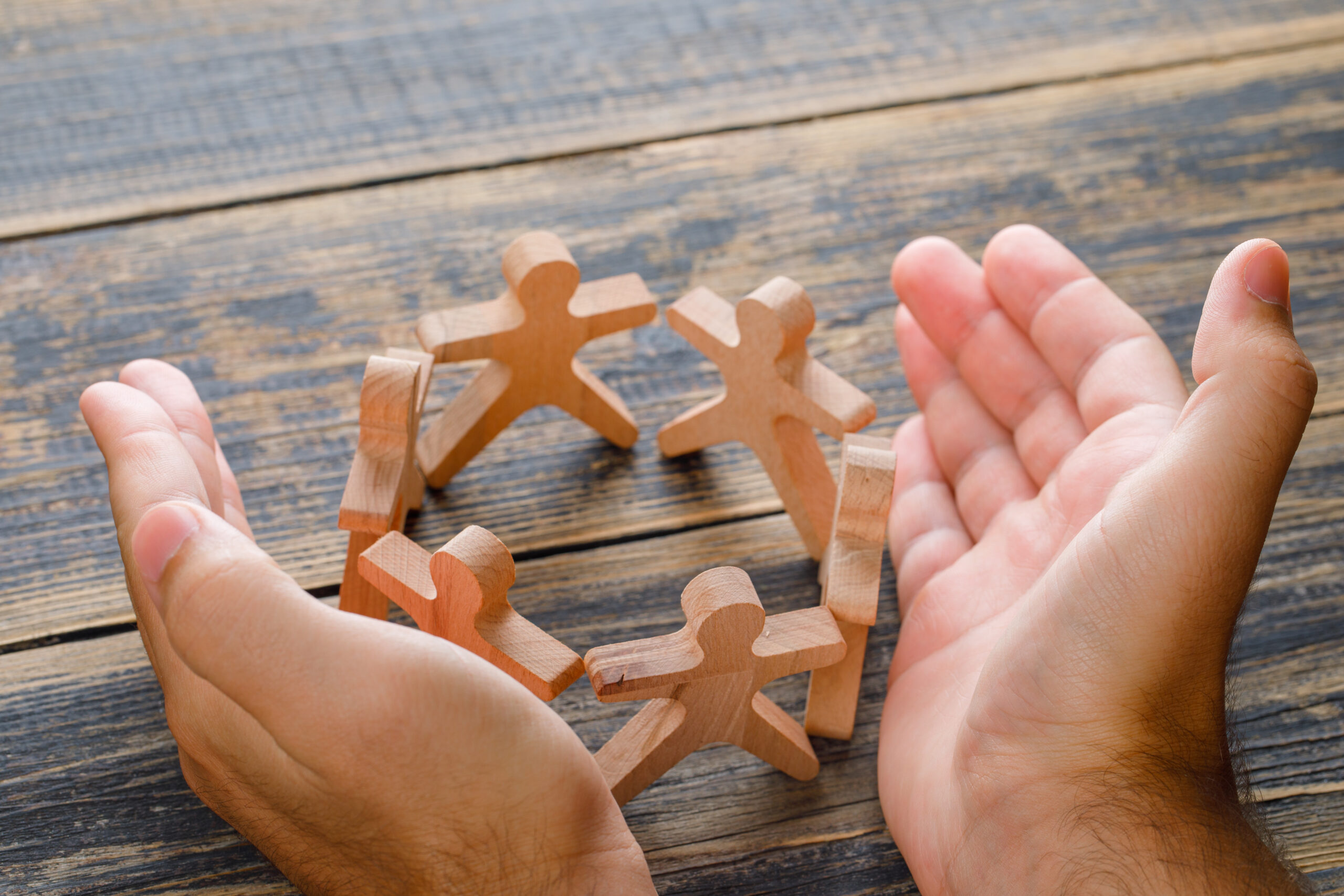
Put simply, social capital is the value we get from our relationships and social networks. It is the invisible glue that holds a community together. It includes the trust we have in our neighbors, our sense of belonging to a local group, and the unwritten rule that we look out for one another.
Researchers usually divide social capital into two main types:
- Bonding capital: These are the close ties we share with family, best friends, and immediate neighbors. They are the people who bring you soup when you are sick.
- Bridging capital: These are the connections that stretch across different groups, linking people from different backgrounds, ages, or professions. It is what happens when local associations, pharmacies, and residents team up to make their neighborhood a better place.
How social capital heals us
Social capital is not just a warm, feel-good concept; it has a massive impact on our physical and psychological wellbeing.
When a neighborhood has high social capital, feelings of loneliness, anxiety, and depression decrease. People have someone they can talk to and rely on. Active communities may get together to walk, exercise, or share in other healthy habits resulting in physical health benefits. Strong social connections can reduce stress, protect our hearts, and help us bounce back more effectively from adversity.
Beyond just medication
Historically, healthcare systems have focused heavily on a “biomedical” approach: treating illnesses almost exclusively with drugs and individual clinical treatments. While medical treatment is necessary, relying only on “pills” can sometimes lead to unnecessary medicalization, including treating social or emotional struggles as medical problems.
This is exactly where the CAIR Project steps in.
Based in the Carrús neighborhood of Elche, Spain, CAIR is working to ease the burden on primary care and improve health equity. To do this, the project focuses on three vital health areas:
- Psychological wellbeing: Finding community-level ways to support mental health and reduce the over-reliance on anti-anxiety medications.
- Cardiovascular health: Creating local, active habits to prevent heart issues before they start.
- Antibiotic resistance: Educating the community so we use antibiotics rationally and protect these life-saving drugs for the future.
Co-creation; social capital in action
Rather than dropping top-down solutions onto a neighborhood, the heart of the CAIR project is co-creating a healthier community for all.
Co-creation means that health professionals, researchers, local organizations, and residents sit down at the same table as equals. Together, they design, launch, and evaluate health activities that fit the unique flavor and needs of the local community.
This entire process is fueled by social capital. By bringing diverse groups together, the project builds new networks of trust and collaboration. When neighbors actively participate in creating their own health solutions, it fosters a deep sense of pride and ownership. The community stops being just a group of patients and becomes the driving force behind its own wellbeing.
Building a healthier future, together
Health is a collective journey. By mapping and mobilizing the unique strengths, skills, and relationships already present in our neighborhoods, we can build a protective network against illness that no pharmacy can replicate on its own.
The CAIR Project is showing that when we invest in social capital, we are not just making friends; we are creating a healthier, happier, and more resilient society.