
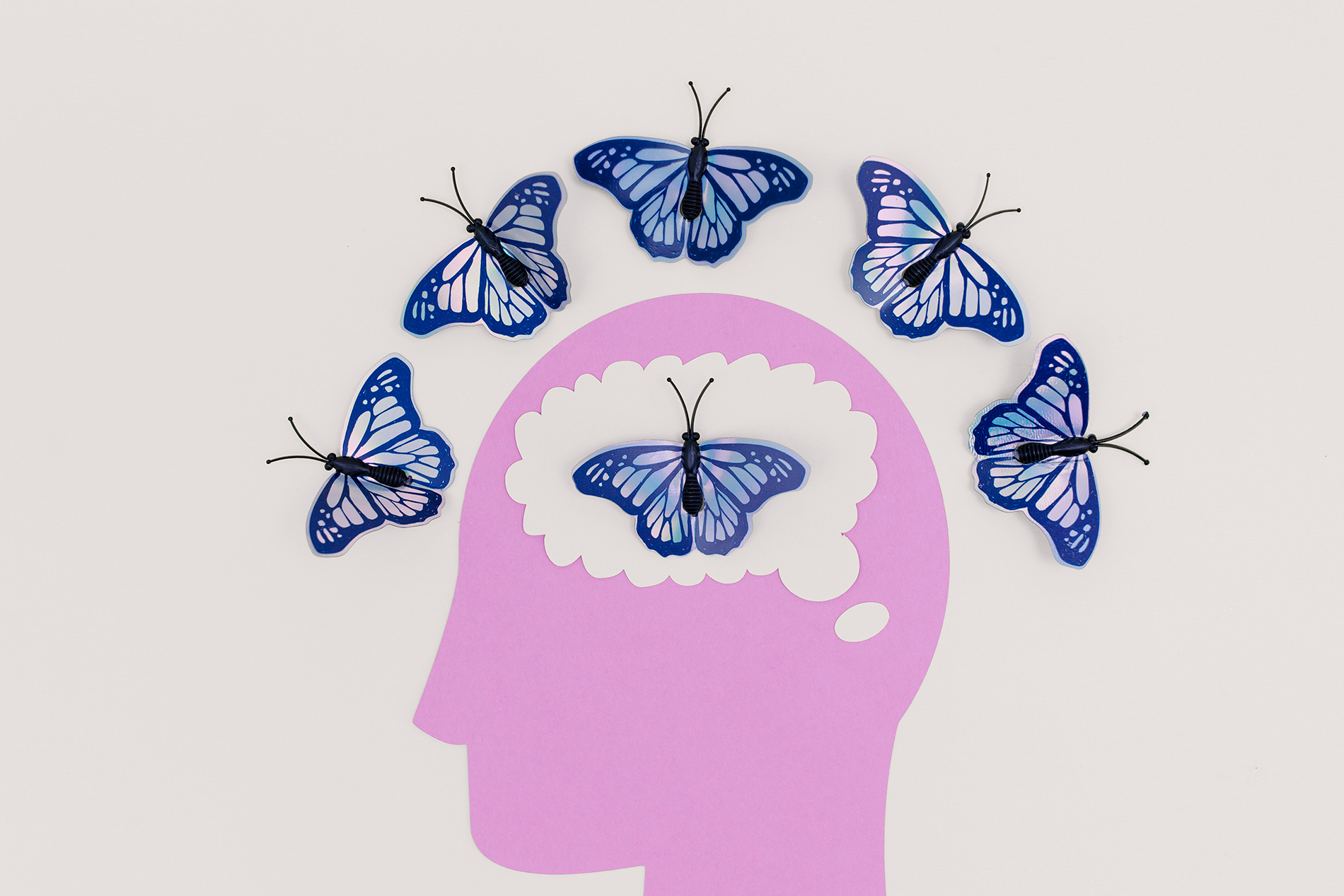
Every tenth of October, with the celebration of World Mental Health Day, the international community turns its attention back to psychological well-being as a fundamental human right. Statements from organisations such as the World Health Organization insist on a clear message: mental health is not built in isolation, nor is it solved solely in medical consultations, but is deeply linked to the social environment, support networks and living conditions.
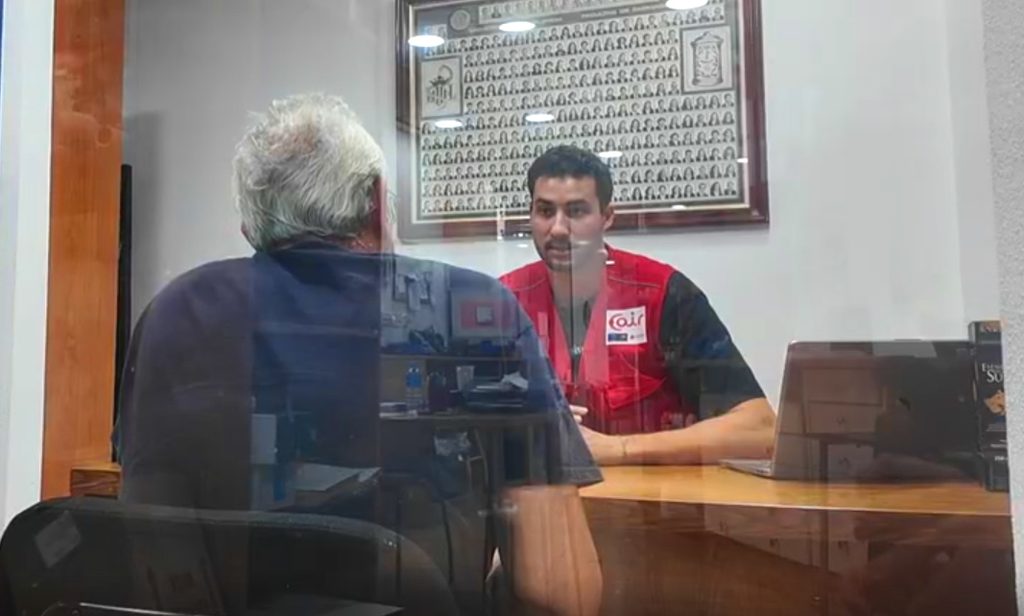
Moving from speeches to real action requires concrete evidence. In the CAIR Project we have begun this journey on the ground, analysing community health through research work carried out in the Carrús neighbourhood. The resulting data from the first population survey conducted in this setting offer a revealing diagnosis that helps us understand how psychological well-being is distributed in the day-to-day life of our neighbourhoods.
The social divide in emotional health
The questionnaires conducted show that emotional distress does not affect everyone equally. Demographic and socioeconomic factors are key determinants when it comes to experiencing lower perceived mental health:
- The gender gap: women record a noticeably higher proportion of poor mental health than men. While among men 43.23% present low levels of emotional health compared to the general population, among women this figure rises to 56.86%. This difference reflects how the burdens associated with caregiving, work-life balance and precariousness continuously affect female well-being.
- The weight of age: the perception of mental health status worsens over time. Among people over 65 years old, 65.65% show indicators of poor mental health compared to the general population, compared to 28.57% in young people aged 18 to 24 or 43.93% in the 25 to 44 age group. Unwanted loneliness, the loss of social networks and physical decline significantly influence this age group.
- The impact of household income: economic status marks a decisive difference. In households with monthly incomes equal to or greater than €1800, 27.59% of the population reports poor mental health compared to the general population. In contrast, in households with monthly incomes below €1800, the proportion reporting poor mental health rises to 55.03%. Economic instability and lack of resources act as a constant factor of psychosocial stress.
Attitudes, literacy and perception of professional support
At the same time as evaluating the distribution of emotional well-being in the neighbourhood, the surveys conducted in pharmacies explore people’s willingness to seek help, their level of knowledge and the presence of stigma regarding mental health needs:
- Recognition of psychological professionals: when faced with a personal mental health issue, willingness to seek consultation is very high. Both men and women exceed 91% agreement on seeking psychological help.
- Recommendation and support for one’s inner circle: this willingness increases when it comes to guiding relatives or friends. When asked if they would encourage a close acquaintance with a mental disorder to visit a health professional, agreement reaches 97%.
- Dispelling myths about age: there is broad consensus that mental health affects all stages of life. Over 90% of respondents reject the statement that only adults have mental health issues. However, agreement with this myth increases gradually with age, reaching 10% agreement among older people.
- Overall level of mental health literacy: the average score on the health literacy scale in the questionnaire stands at 90% of the total score, reflecting a very high general knowledge on the subject. Age is once again the most decisive variable in score variations. Middle-aged groups record the highest values (93.6% between 26 and 45 years, and 92% between 46 and 65 years), whilst the youngest (89.7% between 18 and 25 years) and oldest groups (87.9% among those over 65) show the most adjusted scores.
Un canvi d’enfocament: de la sobremedicalització a l’acció comunitària
These results highlight that addressing mental health requires attending to the social and economic root causes conditioning it. Attempting to mitigate this distress solely through psychotropic drugs proves insufficient, or even counterproductive by resulting in overmedication, when the underlying issue is related to loneliness, insufficient income or a lack of support in old age.
Faced with this situation, the research carried out within the CAIR Project advocates models centered on the environment and community intervention:
- Using multidisciplinary analysis and data processing to identify vulnerability patterns and risk factors.
- Promoting social prescribing, connecting individuals with community activities, neighbourhood associations and mutual support spaces that reduce social isolation and foster collectivism.
- Progressively reducing reliance on clinical, medicalising pharmacological treatments for stressful situations or distress derived mainly from social determinants.
Researching to transform the environment
World Mental Health Day reminds us that solutions must be built alongside citizens and local institutions: real voices to generate real change. The data gathered in the Carrús neighbourhood form the foundation upon which to design fairer, preventive public interventions tailored to the actual needs of each population group.
Understanding emotional health from the territory is the first step towards offering sustainable alternatives and ensuring that psychological well-being stops being a privilege linked to income or gender, becoming instead an accessible reality across all community environments.