

For centuries, science was perceived as the exclusive domain of people in white coats working in laboratories. However, in recent decades, this image has been changing radically thanks to citizen science. This global movement invites anyone, regardless of their academic background, to participate actively in the process of scientific research.
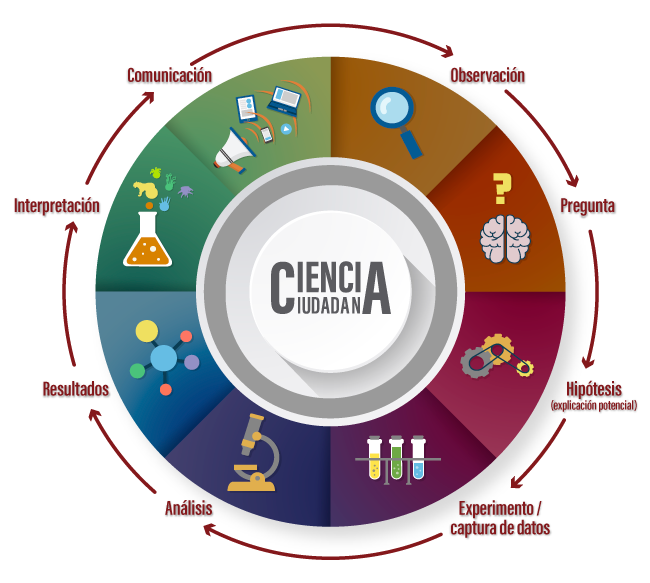
What exactly is citizen science?
It is the collaboration between professional scientists and volunteers from the general public to expand knowledge. It is not just about “helping”; it is a way of democratising knowledge. Through data collection, image analysis, or the observation of natural phenomena, citizens become the eyes and ears of the scientific community in places where researchers cannot be physically present.
The power of mass collaboration
The greatest asset of citizen science is its scale. Imagine a biologist wanting to track the migration of monarch butterflies across an entire continent. For a single research team, this would be logistically impossible and extremely costly. But if thousands of people use an app on their mobile phones to report sightings from their own gardens, the biologist gains a massive, real-time database.
An iconic example is the eBird project, where birdwatchers from all over the world upload their records. Thanks to this data, hundreds of articles have been published on the impact of climate change on migratory routes.
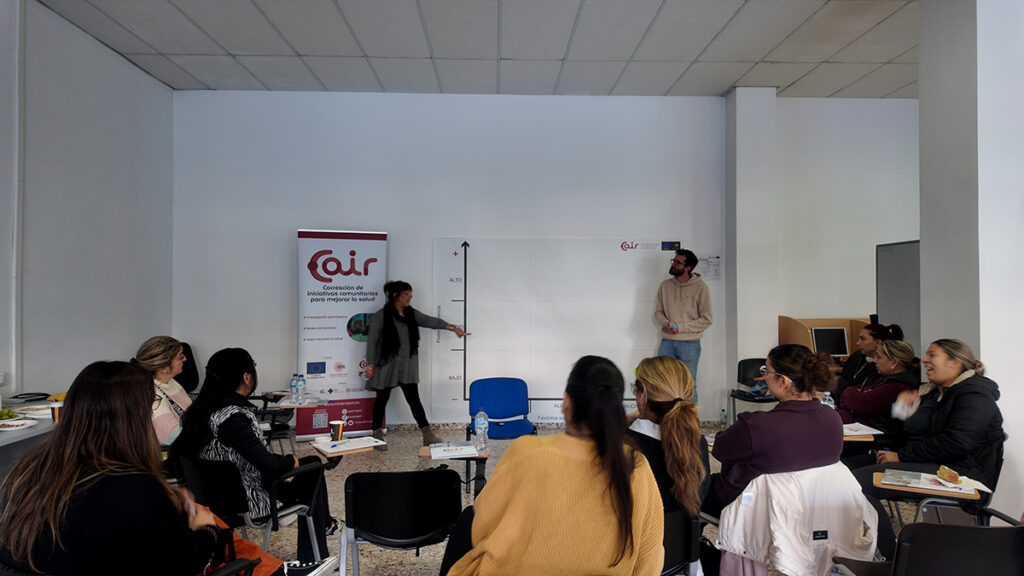
Another example is our own CAIR project, which offers multiple ways to collaborate and contribute. These range from our surveys to the sociograms conducted with the local population who use health services and interact with the environment of the Carrús neighbourhood. It is a magnificent way to help improve the well-being of the local area and its residents.
Benefits for all Stakeholders
This model generates a positive impact on three levels:
- For science: It allows large-scale challenges to be addressed and fosters interdisciplinary collaboration.
- For the citizen: It encourages critical thinking, improves scientific literacy, and connects people with their local environment. Participating in a project about the water quality in your neighbourhood, for example, empowers the community to demand changes based on real data.
- For society: It creates a more informed citizenry, committed to global challenges such as the loss of biodiversity or urban pollution.
How can you start to help?
The most fascinating thing about citizen science is that the barrier to entry is practically non-existent. You do not need a PhD to contribute to human progress. You only need curiosity, a little time, and a desire to better understand the world around us. Science is no longer a monologue by experts; it is an open conversation where your observation could be the missing piece in the jigsaw puzzle of universal knowledge.