

In the field of public health, we often encounter solutions that, while well-intentioned, don’t always resonate with the realities of the communities they serve. We tend to focus on individual interventions, such as medication or counseling, without fully addressing the social, economic, and environmental factors that truly impact our health. This is where projects like CAIR make a difference, by championing a more equitable and inclusive approach: co-creation.
What is co-creation and why is it crucial?
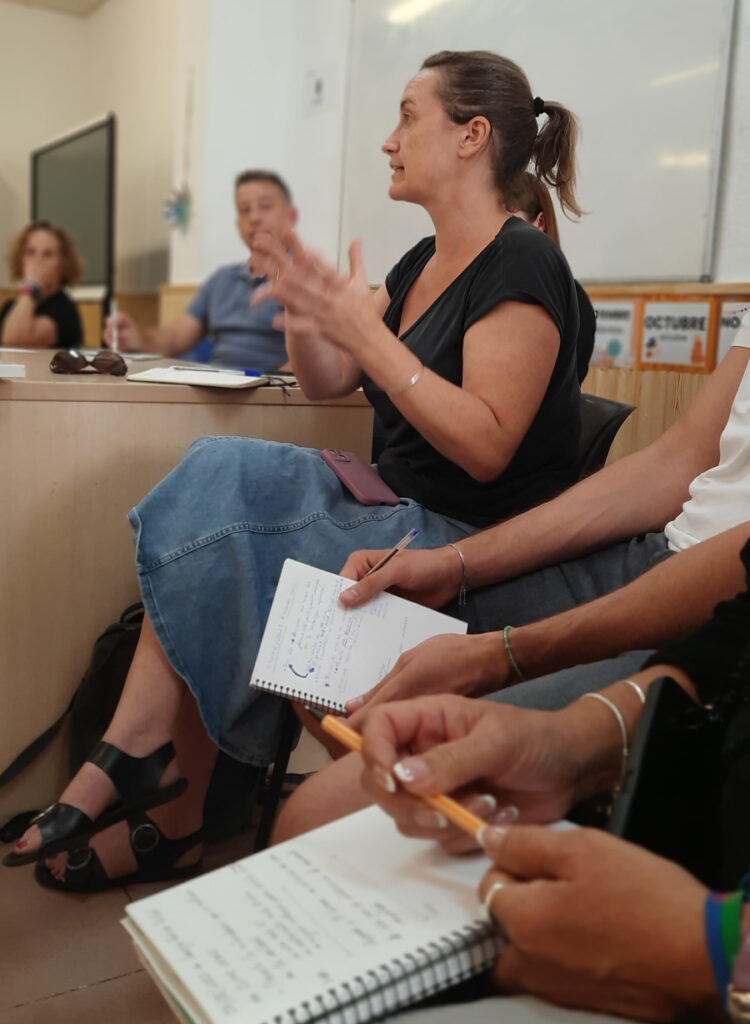
Imagine a process where all stakeholders involved in a community’s health —from health authorities and healthcare professionals to local organizations and residents themselves— sit at the same table to identify problems and design solutions. This is co-creation: a collaborative process that brings together diverse actors to design, implement, and evaluate interventions aimed at improving population health.
This approach goes beyond consultation; it involves active participation where the knowledge and experiences of each participant are equally valued. It’s a way to democratize research and ensure that health interventions, services, and policies are not only relevant and acceptable, but also truly impactful. In short, co-creation harnesses the wisdom of those who live the reality day to day, those who are not necessarily academics but possess invaluable experiential knowledge.
CAIR and co-creation at the heart of Carrús
The CAIR project was born from the conviction that community initiatives can lead a shift toward more equitable healthcare and, ultimately, improve people’s health. Rather than imposing solutions from above, CAIR immerses itself in the social fabric of the Carrús neighborhood in Elche to build alongside its residents.
In Carrús, co-creation allows diverse voices, including those from the most marginalized populations, to come together in collaborative problem-solving. This not only enhances citizen participation but also ensures the development of contextually appropriate solutions. Who better than the neighbors to understand the specific needs of their neighborhood and propose alternatives that truly work in their daily lives?
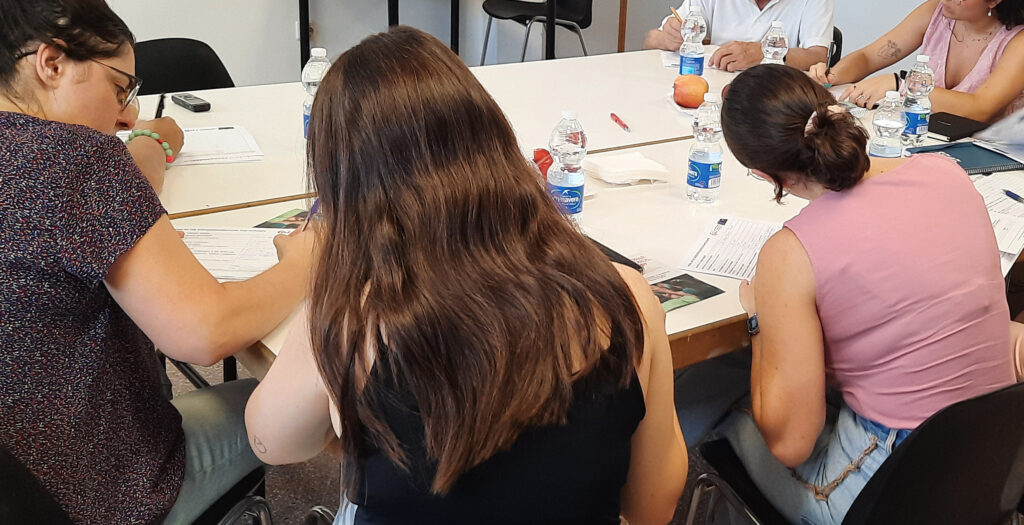
By engaging stakeholders at every stage, from identifying challenges to implementing and evaluating interventions, CAIR seeks to create a health care model that is responsive to neighborhood realities, empowers residents, and builds a healthier and more equitable future for all.